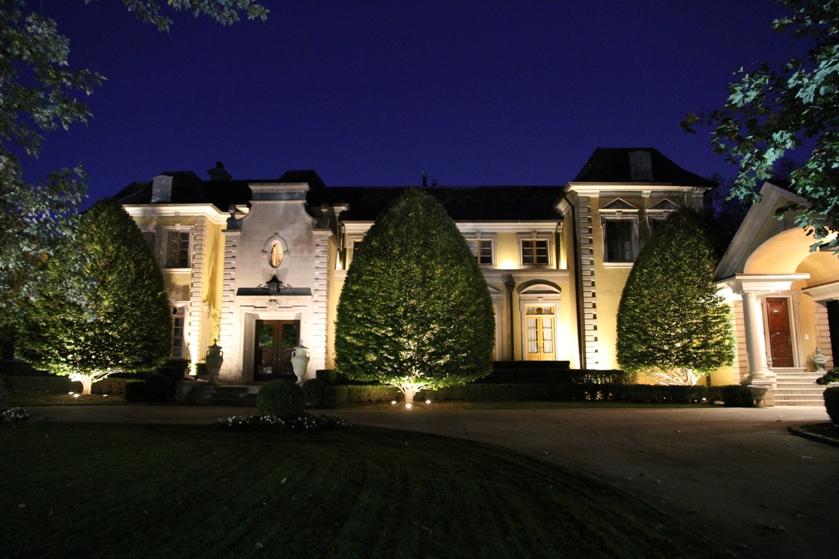
Choosing the right lighting for your outdoor space can feel overwhelming. There are many options—fluorescent, incandescent, LED. But one critical choice often gets overlooked: low voltage vs. high voltage lighting.
This decision impacts your home’s safety, beauty, and energy efficiency. If you’re planning a new system or upgrading an old one, understanding the pros and cons of each lighting type is key. Let’s explore your options and show why working with Nite Time Décor, your local outdoor lighting expert, can make all the difference.
What Is Low Voltage Lighting?
Low voltage lighting uses 12 volts of electricity. A transformer converts the standard household 120V current down to a safe 12V. These systems are ideal for residential properties and decorative landscaping.
Pros of Low Voltage Lighting
Energy Efficient and Cost Effective
Low voltage lights use less power. You’ll save on electricity and reduce your carbon footprint. LED options give excellent light output while keeping energy costs low.
Safe for Families and Pets
Because they run at just 12 volts, low voltage systems are safer. There’s less risk of electrical shock, especially in wet conditions.
Easier and Cheaper to Install
Most systems plug into outdoor receptacles. You won’t need permits or licensed electricians for most installations. This keeps installation costs down.
Flexible and Easy to Move
Fixtures don’t need deep trenches or conduit. You can adjust or move lights easily to accommodate landscaping changes.
More Design Options
Low voltage lighting comes in many styles and finishes. You can light walkways, highlight plants, and create dramatic focal points with ease.
Ideal for Accent and Mood Lighting
These lights provide excellent beam control. You can create warm, inviting environments in your garden, patio, or yard.
Cons of Low Voltage Lighting
Requires a Transformer
A transformer is needed to reduce power from 120V to 12V. This adds a component to install and maintain.
May Dim Over Distance
Long cable runs can cause voltage drop. If not installed properly, lights can appear dimmer the farther they are from the transformer.
What Is High Voltage Lighting?
High voltage or “line voltage” lighting uses 120 volts of electricity—direct from your home’s electrical system. These are common in commercial spaces and areas requiring bright, wide coverage.
Pros of High Voltage Lighting
Bright and Powerful Light Output
High voltage systems produce intense light. They are great for large properties, parking lots, or uplighting big trees.
Fewer Fixtures Needed
One high voltage fixture can light a wide area. This reduces the number of fixtures required.
No Transformer Needed
These systems run on your home’s power supply. That means no need for a separate transformer.
Cons of High Voltage Lighting
Requires Professional Installation
Due to safety concerns and electrical codes, a licensed electrician must handle installation. This raises labor costs.
Higher Risk of Electric Shock
All fittings must be waterproof. Wet conditions can pose a serious hazard if not installed correctly.
Difficult to Modify
High voltage wires must be buried 18 inches underground. Making changes later can require major digging and disruption to your yard.
Can Cause Glare
Because they’re so bright, it’s harder to direct the beams. This can lead to glare and light pollution.
Low Voltage vs. High Voltage – Which Is Best for You?
Most homeowners prefer low voltage systems for flexibility, safety, and style. They’re easier to install, cost less to operate, and offer more control over lighting effects.
High voltage systems are better suited for security lighting or large-scale commercial spaces where maximum brightness is critical.
Still unsure what’s best? That’s where Nite Time Décor comes in.
Why Choose Nite Time Décor for Outdoor Lighting Installation?
Whether you prefer the versatility of low voltage lighting or the power of high voltage systems, Nite Time Décor is here to help you choose the perfect solution for your outdoor space. Our team of professional lighting experts will guide you through every step of the process—from custom design to professional installation—ensuring your property looks stunning and functions beautifully after dark. We proudly serve Halton, Burlington, Oakville, Hamilton, and Mississauga, offering free quotes and on-site lighting demos to help you visualize the transformation. Visit our website to explore our lighting gallery or give us a call today to get started. (800)952-3006
If you’re thinking about upgrading your outdoor space, landscape lighting is one of the most impactful improvements you can make. It doesn’t just make your home look better at night—it changes how you experience your property entirely.
Across Oakville, Burlington, Mississauga, Hamilton, and surrounding areas, more homeowners are investing in professionally designed lighting systems to improve curb appeal, increase safety, and extend the use of their outdoor spaces well into the evening.
But before moving forward, most people have the same questions: How much does it cost? Is it worth it? Will it increase my hydro bill? Should I do it myself?
This guide answers the most searched landscape lighting questions in Ontario—clearly, honestly, and in a way that helps you make the right decision for your home.
What is landscape lighting and why does it matter?
Landscape lighting is a custom-designed system that highlights your home’s architecture, gardens, pathways, and outdoor living areas using strategically placed fixtures.
It’s not just about visibility—it’s about creating atmosphere, depth, and function.
In Ontario, where daylight hours drop significantly in the fall and winter, outdoor lighting becomes even more valuable. Without it, your property essentially disappears after sunset. With it, your home takes on a completely different character at night.
A well-designed system brings out textures, shapes, and focal points you may not even notice during the day. It also creates a warm, welcoming environment that makes your home feel complete.
What are the real benefits of landscape lighting?
Most homeowners initially consider landscape lighting for aesthetic reasons—but they quickly realize the benefits go far beyond appearance.
One of the biggest advantages is security. A well-lit home removes dark hiding spots and naturally discourages unwanted activity. Unlike harsh floodlights, professionally designed systems create a soft, even glow that feels intentional—not intrusive.
Safety is another major factor. Walkways, driveways, and steps become significantly easier to navigate at night. This is especially important during Ontario winters, when ice and snow can make outdoor surfaces unpredictable.
Then there’s usability. Without lighting, your backyard or patio becomes unusable after sunset. With it, you can entertain, relax, and enjoy your outdoor space long into the evening—something many homeowners in Burlington and Oakville especially value during the summer months.
Finally, there’s the added property value. A professionally lit home stands out immediately. It feels more modern, more refined, and more complete—which can translate into a strong return on investment.
How much does landscape lighting cost in Ontario?
This is one of the most searched questions—and for good reason.
The cost of landscape lighting varies depending on your property, your goals, and the level of customization you’re looking for. In Ontario, most professionally installed systems fall somewhere between $2,500 and $10,000+.
A smaller system that focuses on the front of your home—such as entryway and pathway lighting—will sit at the lower end of that range. A full-property design that includes front yard, backyard, gardens, and architectural features will naturally be higher.
What’s important to understand is that landscape lighting is not a one-size-fits-all product. Every system is designed around your home.
The number of fixtures, the type of lighting (LED vs older technologies), and the complexity of the design all influence the final cost.
Seeing actual designs often helps homeowners better understand where they want to invest.
Will landscape lighting increase my hydro bill?
This is one of the biggest concerns homeowners have—and one of the biggest misconceptions.
Modern landscape lighting systems use LED technology, which is extremely energy efficient. In many cases, the cost to run a system is surprisingly low.
For example, a typical residential setup running several hours each night may only add a small amount to your yearly hydro bill—often far less than people expect.
Most systems also include timers or light sensors, so they automatically turn on at dusk and off at a set time. This ensures you’re never wasting energy.
In short, landscape lighting is not only visually impactful—it’s also very affordable to operate.
Should I install landscape lighting myself or hire a professional?
This is where many homeowners hesitate.
DIY lighting kits are easy to find, and at first glance, they seem like a cost-effective solution. But the reality is that most DIY systems fall short in a few key areas.
Brightness is often inconsistent. Materials tend to wear out quickly. And solar-powered options, while convenient, are not reliable in Ontario’s climate—especially during cloudy seasons or winter months.
More importantly, DIY systems lack design.
Landscape lighting is not just about placing lights—it’s about how those lights interact with your home, your landscaping, and each other.
A professional installer brings experience in layout, balance, and technique. They know how to highlight the right features without over-lighting or creating harsh shadows.
The result is a system that feels cohesive, intentional, and long-lasting.
What should you actually light around your home?
One of the biggest mistakes homeowners make is trying to light everything.
The goal of landscape lighting is not brightness—it’s contrast.
A well-designed system draws attention to specific features while allowing other areas to fade naturally into the background. This creates depth and sophistication.
Common focal points include your front entrance, pathways, mature trees, and architectural details like stonework or peaks.
Outdoor living spaces like decks and patios are also important. These are areas where lighting adds both function and atmosphere.
If you’re working with a smaller property, this guide is especially helpful: https://landscapelightingoakville.com/top-5-outdoor-lighting-tips-to-transform-small-spaces/
It shows how strategic lighting can make even compact spaces feel elevated.
Is landscape lighting difficult to maintain?
Not at all.
Most modern systems are designed to be low maintenance. Once installed, they typically require only occasional attention.
A seasonal check in the spring is recommended, especially after winter. This ensures everything is functioning properly and hasn’t been affected by snow, ice, or shifting ground.
Over time, you may also want to adjust fixtures slightly as plants grow or landscaping changes.
Overall, maintenance is minimal—especially compared to the long-term benefits.
Will installation damage your yard?
This is a very common concern, but the answer is no.
Professional installers use careful techniques to minimize disruption. Wiring is typically placed using small incisions rather than large trenches, and fixtures are installed with precision.
Any minor disturbance to grass or soil usually recovers quickly—often after just a few days of natural growth.
The goal is always to leave your property looking untouched, aside from the new lighting itself.
Is landscape lighting easy to use?
Yes—and this is one of the best parts.
Once your system is set up, it largely runs on its own. Timers and sensors automate everything, so your lights turn on and off without any daily effort.
Many systems can also be connected to smart controls, allowing you to adjust settings from your phone.
For most homeowners, it’s a “set it and forget it” upgrade that delivers consistent results every night.
Understanding how landscape lighting works
What really separates professional lighting from basic setups is technique.
Lighting designers use different methods to create specific effects.
Up lighting is used to highlight trees and architectural features, creating dramatic shadows and depth. Down lighting provides softer, more natural illumination—often used for seating areas and walkways.
Wash lighting creates a gentle glow across surfaces like walls or hedges, while grazing emphasizes textures like stone or brick.
One of the more advanced techniques, moon lighting, mimics natural light by placing fixtures higher up, allowing shadows to fall softly across the ground.
These techniques work together to create a layered, balanced look that feels intentional—not overwhelming.
How do you choose the right landscape lighting company?
Choosing the right company is just as important as deciding to install lighting in the first place.
Start by looking at their past work. A strong portfolio will give you a clear sense of their style and experience.
Make sure they have proper credentials, including insurance and relevant certifications. This protects both you and your property.
It’s also important to ask about warranties and maintenance. A reputable company will stand behind their work and offer support after installation.
Finally, choose a team that listens. The best results come from collaboration—where your vision is combined with professional expertise.
Ready to Update Your Outdoor Lighting?
Landscape lighting is one of the few upgrades that delivers immediate visual impact while also improving safety, security, and how you use your home every day. It transforms your property after dark, adds depth and sophistication, and allows you to fully enjoy your outdoor space—no matter the season.
For homeowners in Oakville, Burlington, Mississauga, and Hamilton, it’s not just about aesthetics—it’s a practical investment that enhances both lifestyle and long-term property value.
If you’ve been thinking about adding landscape lighting, the best next step is to see what’s possible for your specific home. Every property is different, and a professionally designed system can be tailored to highlight your home’s unique features while staying within your budget.
Request a Consultation with Nite Time Décor Oakville today to start planning your custom landscape lighting design. Our team will walk your property with you, discuss your goals, and create a lighting plan that brings your outdoor space to life—backed by expert installation, warranty protection, and ongoing support.
Yes, it does. While exact numbers vary, professionally installed lighting consistently improves curb appeal and makes a home feel more polished and complete. This can positively influence both perceived value and buyer interest.
Absolutely. Systems designed for Canadian climates are built to handle freezing temperatures, snow, and moisture. Proper installation ensures durability year-round.
With our long winter nights, outdoor lighting in Oakville and Burlington is as practical as it is pretty. However, some North American scientists have raised concerns that artificial night lighting can have a negative impact on trees. Here is what you should know about outdoor lighting and how you can maintain healthy trees while maximizing safety and highlighting your property’s attractive features.
Know your facts
Trees need light to survive. The type of light (the wavelength or colour), the brightness, and the duration (how many hours) of light over the course of a day all affect tree growth. Certain trees rely on the amount of light in a day to know when to grow, flower, seed, or go dormant. Fewer hours of daylight in the fall signal trees to drop their leaves and stop growing.
If some trees are brightly lit at night with certain colours of light, there is a possibility that they may miss the cues that winter is approaching. They may fail to drop all their leaves in time, and risk damage from heavy snowfalls. Or they may not go fully dormant in time for winter and risk damage from cold. While the risk of tree damage is low, there are still many things you can do to optimize the health of more sensitive trees.
Know your trees
Outdoor lighting does not bother most tree varieties. Most conifers, such as spruce or pine trees, for example, are not affected by night lighting. Some deciduous trees—particularly flowering trees—may be more susceptible to certain types of night lighting. Since young trees grow faster, their growth cycle may be more affected by night lighting.
Nite Time Decor outdoor lighting experts can help you identify which trees are more sensitive to outdoor lighting and can design the appropriate lighting plans for your home.
Choose appropriate light fixtures
If you have a spectacular tree or trees that you want to have lit at night, fear not! There are many lighting options that won’t damage even the most sensitive trees. Some LED technology, for example, does not emit light in the red or infrared spectrum, which are the wavelengths of light that can impact tree dormancy and flowering.
Low, diffuse lighting can also be appropriate if you want to highlight outdoor landscape features. Down lights can be positioned to highlight plantings at the base of trees, which will avoid shining light on most of the tree leaves.
Consider timers and zones
Professional outdoor lighting takes into account both esthetics and safety. If you are lighting trees for esthetics, consider creating lighting zones and having the tree lighting shut off at a set time each day. You can keep other lighting zones—such as walkways and doorways—continuously lit for safety and security. This not only saves electricity, but also minimizes any effect outdoor lighting may have on surrounding trees.
Create a dynamic lighting design
Designing for beauty, safety, security, and tree heath is a complex business. Why not let the experts in outdoor lighting help you create or update a lighting design that meets all your needs? For more information on how a Nite Time Decor landscape lighting expert can help you create a striking display for your home, contact us today or request a complimentary quote.
When looking to enhance the beauty and safety of your outdoor space with landscape lighting, selecting the right contractor is crucial. Whether you’re located in Oakville, Burlington, Ontario or the surrounding areas, choosing an experienced landscape lighting contractor can make a huge difference in the quality, functionality, and aesthetic appeal of your property. To ensure you make the best choice, here are the top 10 essential questions you should ask before hiring a landscape lighting professional.
Why Choosing the Right Landscape Lighting Contractor is Crucial
Landscape lighting does more than just illuminate your outdoor space—it creates ambiance, increases curb appeal, and enhances security around your property. Whether you’re looking to light up your garden, pool and water features, or pathways, the right contractor can help you design a system that complements your home and lifestyle. Choosing the wrong contractor, on the other hand, can lead to poor lighting designs, malfunctioning lights, or an inefficient system that wastes energy and costs more than necessary.
The key to ensuring your project is successful lies in asking the right questions and understanding the contractor’s qualifications, experience, and processes. Here’s what you need to know.
10 Essential Questions to Ask a Landscape Lighting Contractor
1. Are You Licensed and Insured?
Licensing and insurance are the cornerstones of a reliable landscape lighting contractor. In Ontario, contractors must be licensed to perform electrical work. This ensures they meet local regulations and have the skills necessary to install outdoor lighting systems safely. Additionally, insurance protects both you and the contractor in case of accidents or damages during installation. A contractor without proper licensing or insurance might leave you vulnerable to liability, potentially costing you more down the road.
Why It’s Important: Hiring a licensed and insured contractor ensures peace of mind. You won’t have to worry about legal issues or financial liabilities if something goes wrong.
2. What Types of Lighting Do You Specialize In?
Not all landscape lighting is created equal. There are various types of lighting that serve different purposes, such as path lighting, flood lights, accent lighting, and more. It’s important to hire a contractor who specializes in the types of lighting that best suit your needs.
Why It’s Important: Some contractors may only specialize in basic installations, while others may have expertise in energy-efficient, smart, or custom lighting designs. Make sure their skill set aligns with your vision.
3. Can You Provide References or Portfolios?
Ask for references from past clients and examples of previous work. A reputable contractor should be able to provide a portfolio of residential or commercial landscape lighting projects they’ve completed in Oakville, Burlington, Halton or surrounding areas. This will give you an idea of their style and expertise.
Why It’s Important: Seeing past work can help you gauge the quality of their craftsmanship. Speaking with past clients can also provide insight into their professionalism, reliability, and customer service.
4. How Do You Handle Outdoor Electrical Work?
Outdoor electrical work, such as wiring and installation of lights, must be done according to strict safety codes. Ask the contractor how they approach this part of the project and whether they work with certified electricians to ensure everything is up to code.
Why It’s Important: Electrical safety is crucial, and cutting corners can lead to short circuits, fire hazards, or other dangerous situations. The contractor should have clear plans for safely wiring your lights and complying with local codes.
5. What Is Your Approach to Custom Lighting Designs?
Every home and landscape is unique, and your lighting should reflect that. Ask how the contractor approaches custom lighting designs. Do they work with you to create a personalized plan, or do they have a one-size-fits-all solution?
Why It’s Important: Custom lighting can enhance the architectural features of your property and highlight your garden, trees, and other landscape elements in a way that generic solutions can’t. Be sure the contractor is willing to collaborate on a design that fits your needs and vision.
6. Do You Offer Any Warranty or Guarantee on Your Work?
A warranty or guarantee can provide peace of mind and protection in case something goes wrong after installation. Ask whether the contractor offers any kind of warranty on their workmanship or on the products they install.
Why It’s Important: A warranty ensures that the contractor stands behind their work and the materials they use. This can help protect your investment in case any of the lighting components fail or require repairs.
7. What Are the Expected Costs of Installation and Maintenance?
Before hiring a landscape lighting contractor, it’s important to get a clear breakdown of the costs involved. Ask about both the initial installation fees and any ongoing maintenance costs. Will there be any extra charges for wiring, lighting fixtures, or other materials? Do they offer any maintenance services after installation?
Why It’s Important: Knowing the full scope of costs up front helps you avoid surprises later. If the contractor doesn’t provide clear pricing or avoids answering your questions about cost, it’s a red flag.
8. How Do You Ensure Energy-Efficiency in Lighting Installations?
Energy efficiency is an important consideration for homeowners looking to minimize their electricity bills. Ask the contractor what steps they take to ensure the lighting system is energy-efficient. Do they use LED bulbs? Are the lights designed to minimize energy waste?
Why It’s Important: LED lights are more energy-efficient and have a longer lifespan than traditional bulbs. Opting for an energy-efficient lighting system can save you money in the long run and reduce your environmental impact.
9. What’s Your Timeline for Completion?
Ask how long the project will take from start to finish. A reputable contractor should be able to provide you with a realistic timeline for installation and should keep you informed of any delays or changes to the schedule.
Why It’s Important: A clear timeline helps you set expectations and plan for other activities around your property. Avoid contractors who give vague or overly optimistic timeframes, as this may lead to delays and frustration.
10. Can You Help with Permitting and Regulations in Oakville?
In some cases, outdoor lighting installations may require permits or approval from local authorities. Ask whether the contractor is familiar with the permitting process in Burlington or Oakville and whether they can handle the paperwork on your behalf.
Why It’s Important: Navigating local zoning laws and obtaining permits can be confusing, but a good contractor should be well-versed in the regulations. This can save you time and ensure the installation is compliant with all local laws.
Additional Considerations Before Hiring a Landscape Lighting Contractor
The Benefits of Landscape Lighting
Landscape lighting isn’t just about aesthetics—it also offers a number of functional benefits. Proper lighting can increase safety by illuminating walkways, staircases, driveways, and potential hazards, reducing the risk of accidents. It also enhances security by deterring burglars and increasing visibility at night. Moreover, strategically placed lights can highlight architectural features, trees, and other landscaping elements, boosting the overall curb appeal of your home.
What to Expect During the Installation Process
The installation process usually begins with a consultation and design phase, followed by a site visit where the contractor will map out the lighting layout. Depending on the complexity of the design, the installation can take anywhere from a few hours to a couple of days. The contractor will wire the lights, install fixtures, and ensure everything is functioning correctly before wrapping up the project.
Ongoing Maintenance and Repair Services
Ask the contractor if they offer ongoing maintenance services for your landscape lighting system. Regular checks and maintenance ensure your system remains in top working condition. It’s also essential to address any repairs promptly if lights burn out or wiring becomes damaged.
Conclusion: Trust Nite Time Décor – Oakville’s Landscape Lighting Experts
Choosing the right landscape lighting contractor can make all the difference in how your outdoor space looks, feels, and functions. At Nite Time Décor Oakville, we specialize in creating custom outdoor lighting solutions that enhance the beauty, safety, and value of your home.
With over 25 years of experience and hundreds of satisfied clients across Oakville, Burlington, and the surrounding areas, our team is trusted for professional design, expert installation, and reliable service. Whether you’re looking to highlight architectural features, illuminate pathways, or create a welcoming ambiance in your backyard, we have the knowledge and tools to bring your vision to life.
Don’t leave your landscape lighting project to chance—trust the experts at Nite Time Décor for high-quality results that last.
Contact us todayto schedule your free consultation and discover how we can help you transform your property after dark.